
Heat Exchanger Plate
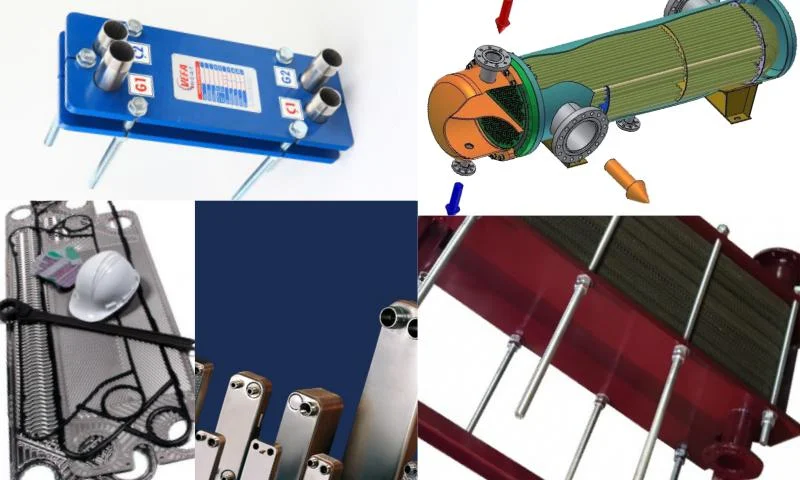
Benefits of the Heat Exchanger Plate
The heat exchanger plate ensures that two fluids with a temperature difference between them are separated by plates. The plates are a piece of equipment that facilitates heat transfer between the two fluids. It is the most important factor in ensuring that the heat transfer between the fluids is provided in accordance with the purpose and needs of the heat exchanger. For more information about the types of heat exchanger plates and heat exchangers, you can contact our company at https://www.vefaheat.com/esanjorler/contali-plakali-esanjorler/ and visit our website. The thinness of the plates separating the two fluids, compared to other equipment options, not only increases the heat transfer rate but also reduces heat losses during transfer. Plate heat exchangers are efficient equipment.
Types of Heat Exchanger Plates
In addition to the efficiency it provides, the heat exchanger plate prevents the formation of sediment and dirt that may occur over time in the systems where it is used. Furthermore, it has the benefit of protecting the system against excessive pressure that may be encountered in the installation. It also has features that increase the lifespan of the system in which it is used. Heat exchanger plates are used in installations for many purposes, such as heating and cooling elements, circuit separators, or pressure reducers.
The most important factor in ensuring proper heat transfer between fluids in heat exchangers is the type of heat exchanger plate. They are designed in different ways. The heat exchanger plate achieves heat transfer correctly and efficiently thanks to its different form designs. The types of heat exchanger plates can be listed as follows.
- Standard Heat Exchanger Plates: Used in standard applications such as domestic hot water supply, space heating, etc.
- Wide Gap Heat Exchanger Plates: Used for optimum efficiency in waste heat recovery in the textile industry.
- Semi-Welded Heat Exchanger Plates: Increase the durability and lifespan of the heat exchanger.
- Double Containment Heat Exchanger Plates: Used in situations where the two fluids must not mix under any circumstances.
- Evaporator Heat Exchanger Plates: Used in industrial fluid and chemical processes where concentration is required. The types of heat exchanger plates can be listed as such. Heat exchanger plate types differ in terms of their structures.