
How is Wastewater Treated?
Is Wastewater Chemical?
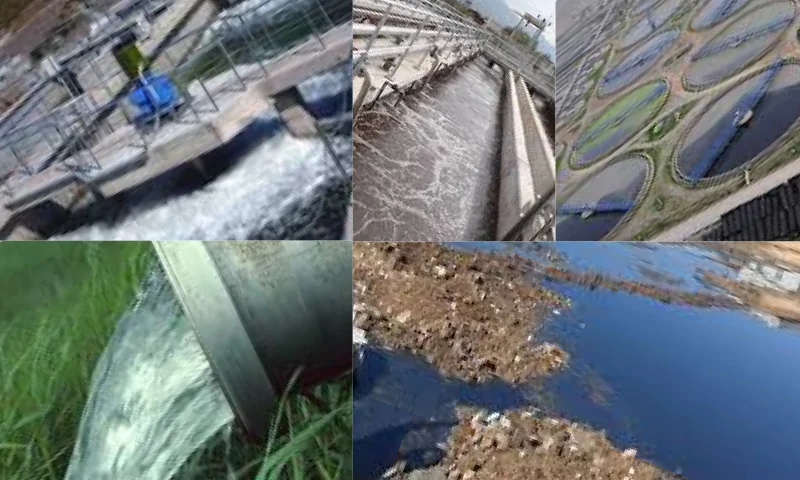
Wastewater, which is formed when water used for domestic purposes or during industrial production loses its physical, chemical, and biological properties, is treated and made reusable. You can visit pages on the internet for information about wastewater treatment. Wherever industrialization increases, and consequently urbanization and population growth accelerate, water resources are threatened by pollution. The most significant factor polluting clean water sources is wastewater. Especially due to industrial use, a large amount of clean water sources are polluted, and the world faces a drought crisis. To protect water, wastewater should not be discharged into nature indiscriminately. Wastewater should be collected at its source, treated in treatment plants, and made reusable for different purposes.
Detection in Wastewater Treatment Samples
Before the treatment process, which means cleaning wastewater, the characterization of this water must be determined. For this purpose, the chemical, physical, and biological properties of the water are determined within a sample taken from the water. An appropriate treatment method is determined according to the quality of the water. The treatment process is extremely important for the protection of natural water resources. Water discharged into nature without treatment pollutes tons of clean water, thus destroying clean water sources. The sludge formed in treatment plants also needs to undergo a disposal process.