The printing press first emerged in China. In the 8th century, the Chinese began printing books using woodblock printing. However, the birth of the modern printing press occurred with the invention by Johann Gutenberg in Germany in the 15th century. Gutenberg designed a printing press using movable metal type that allowed the same letter to be used multiple times. This invention greatly accelerated the book printing process and enabled books to be produced more cheaply and faster. This development of the printing press created an information revolution in Europe and accelerated the spread of knowledge, art, and culture. The invention of the printing press is considered a very significant turning point in world history. This invention allowed people to access information more quickly and easily, accelerated the spread of knowledge, and made a great contribution to the formation of the modern world.
The Impact of the Printing Press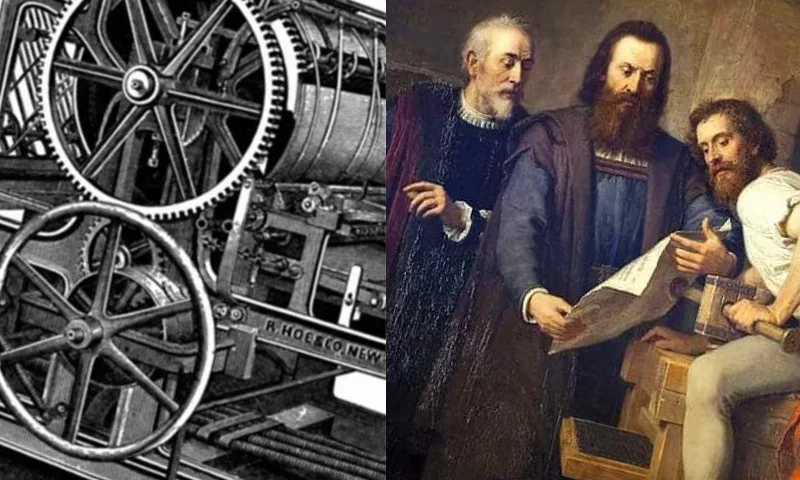
The invention of the printing press contributed to the rapid development of Europe and other regions. As books were produced faster and cheaper, literacy rates increased. People could access information they could not previously access more quickly and easily. Furthermore, the printing and distribution of books became more organized and faster. This allowed for the faster and more effective dissemination of knowledge. The printing press also influenced the Protestant Reformation. Protestants opposed church authority and began to establish Protestantism, a new wave in Christianity. This led to the birth of a new religious and social movement in Europe.
The Future of the Printing Press
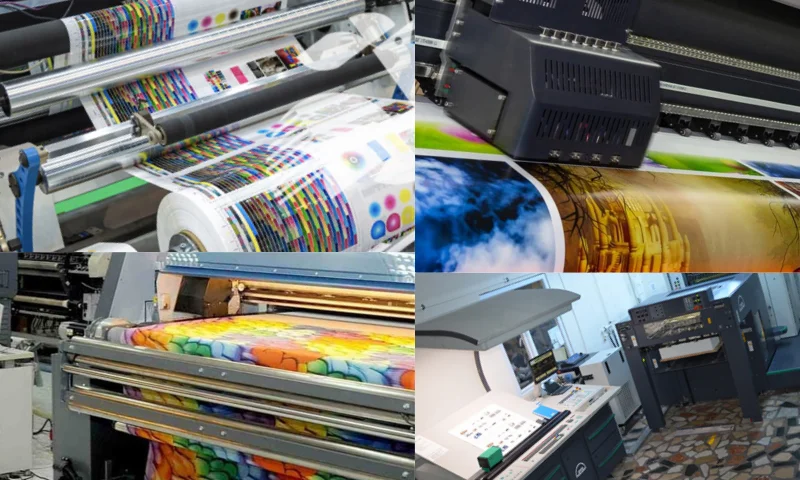
Since the invention of the printing press, printing technology has been renewed many times. Today, digital printing presses have begun to replace traditional printing presses. Digital printing presses can print faster, cheaper, and more efficiently.