
Bitumen Tank Production and the Importance of Materials Used
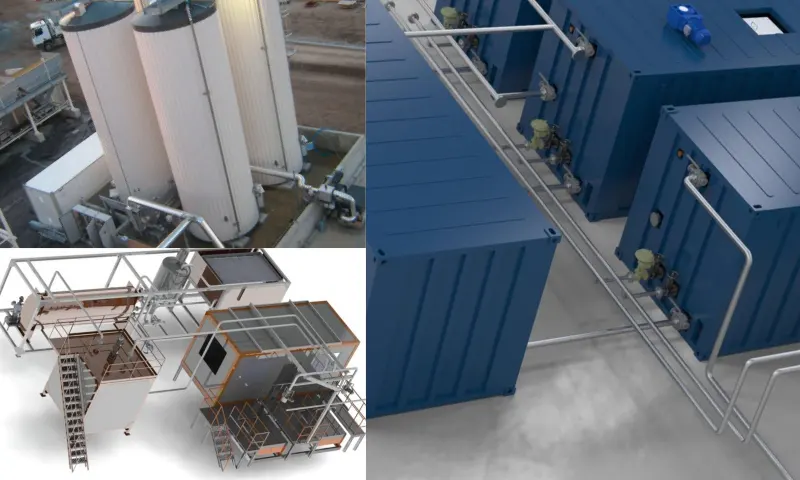
Bitumen Tank Production: Steel Structure, Insulation, and Heating Systems
Safe storage of bitumen is of great importance in the asphalt production and road construction sectors. For more information about bitumen tanks, you can visit https://mag-trade.com/en/products/bitumen-facilities/bitumen-tanks/. Therefore, the production of bitumen tanks and the importance of the materials used are critical, both for the efficiency of the production process and for long-term durability. Bitumen maintains its fluidity at high temperatures, and thus tanks must be resistant to high heat and possess safe operating characteristics. A robust production process begins with the selection of materials that comply with quality standards, which directly impacts the performance of bitumen tanks.
Bitumen Tank Production: Safety, Longevity, and Sectoral Standards
The quality of a bitumen tank depends on the core technical materials used in its production. Examining the production of bitumen tanks and the importance of the materials used, it is possible to say that the steel body is the most critical element. High-strength carbon steel or stainless steel materials ensure the tank's longevity. The use of rock wool, ceramic fiber, or polyurethane foam as insulation material keeps the bitumen's temperature constant and minimizes energy loss. Heating systems – electric resistance, thermal oil, or burners – play a significant role in the tank's operational efficiency. The materials used in bitumen tank production determine not only durability but also safety. High-pressure resistant steels, heating systems protected against overheating, and robust safety valves are requirements of safety standards. CE, ISO, and other international certifications indicate that the tank has been tested for safe use. A long-lasting tank reduces operating costs and ensures operational continuity. Coating materials resistant to environmental factors reduce the risk of corrosion, thereby increasing the tank's service life.