
Orchid Varieties and Their Characteristics: Care and Watering
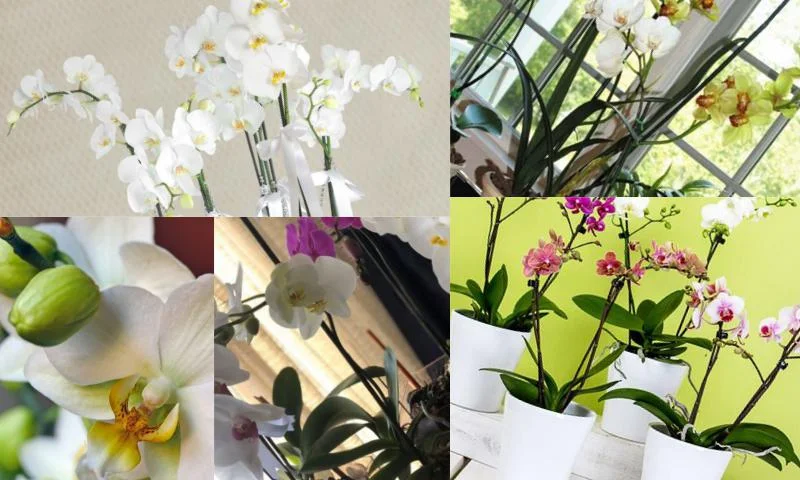
Orchid Flower: According to research, the orchid is the most preferred flower in the world and ranks second in terms of sales. They are known as perennial flowers. While orchids bloom regularly every year, in some cases they can bloom two to three times a year. Due to this characteristic, orchids have been a center of attention since they were first discovered. Besides being a flower, they are also used as a source of flavor for Maraş ice cream and salep. The orchid family is among the largest plant families in the world, with approximately over 35,000 species and over 100,000 hybrids. Due to the vast number of varieties, they have the ability to live in different climates.
What is an Orchid?
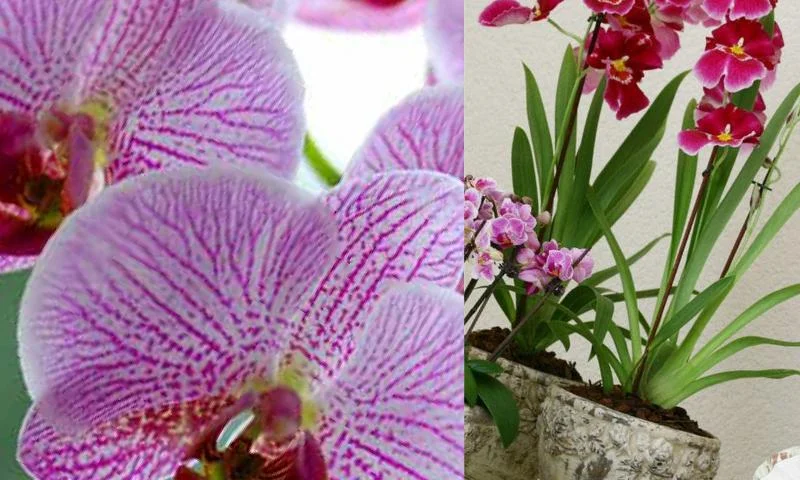
An orchid is a flowering plant belonging to the orchid family (Orchidaceae). Orchids are terrestrial flowers with small leaves but a large stem. Although orchids come in various colors, the white variety is particularly memorable. Despite their delicate and fragile nature, they are very strong and long-lasting flowers. In floristry, they are considered symbols of nobility and care.
What are the Characteristics of Orchids?
- They are tuberous and perennial flowers.
- Their very small seeds germinate only when inoculated with specific fungi.
- They have a single raceme, spike, or compound raceme inflorescence.
- Their leaves have a simple appearance, are scale-like, distichous, and very rarely opposite or whorled.
- They are strong flowers that last for many years.
- You can grow them in greenhouses, pots, or your living room.
What are the Varieties of Orchids?
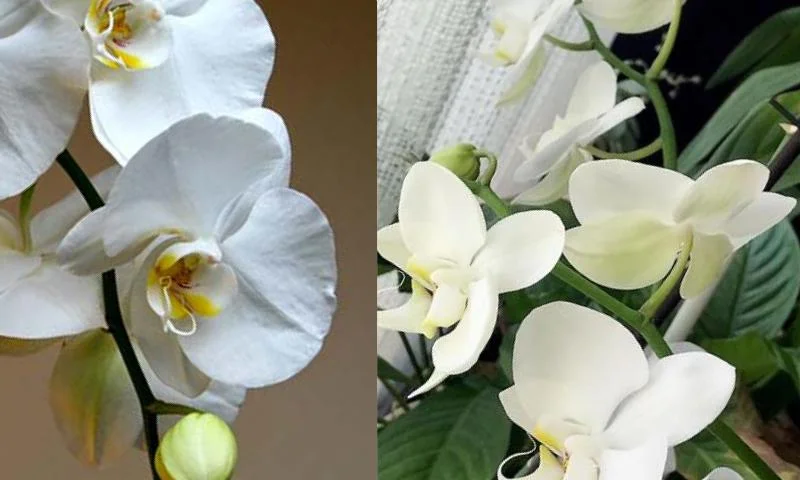
There are nearly 50,000 species of orchid plants. The most commonly cultivated varieties include Cymbidium, Paphiopedilum, Phalaenopsis, Miltonia, Dendrobium, Cattleya, Odontoglossum, and Vanda. Among these, the Phalaenopsis species attracts the most attention.
How Should Orchids be Cared for and Watered?
- Prune decaying, wilting, or yellowing leaves during specific periods of the year.
- Direct sunlight is not essential; orchids can benefit from other light sources.
- Air circulation greatly affects orchids, so measures must be taken to protect them.
- Like all plants, they should receive vitamin and mineral supplements at least once a year.
- If you plan to repot your orchid, it is best to wait until the end of May.
- Prevent contact between orchids and other objects, as this can cause spots.
- The most crucial condition for growing orchids is to keep them at room temperature, even in winter.
- Orchids enjoy regular fertilization. Using ready-made fertilizers for orchids is beneficial.
- Fertilize once a week during the summer and once a month during the winter.
Watering Orchids
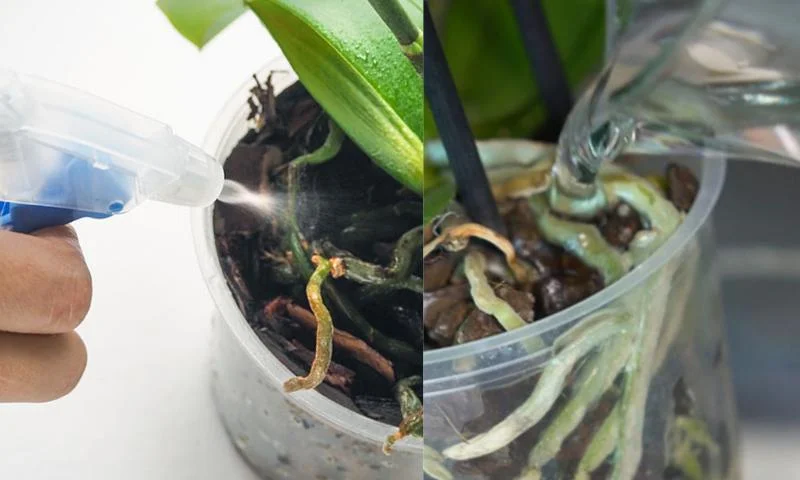
- In winter, the water given to orchids should be at room temperature, not cold tap water.
- Also, in winter, water sparingly to protect the plant from excessive cold.
- In summer, the orchid's water needs increase, so water them more frequently.
- Consistency is important when watering orchids. The container used should be the same measurement for each watering, and watering should be done on the same day and in the same amount.
- The frequency of watering varies depending on the humidity of the room, the composition of the potting mix, and the size of the pot.
- Propagating orchids is as easy as caring for them. Propagation occurs by separating the roots. The thin parts that grow from the orchid's root upwards allow a new plant to form. If brown spots appear on orchids, it means your orchid is sick.