
Benefits of Thermal Springs and Their Importance as a Natural Healing Source

The benefits of thermal springs have been known for centuries due to their positive effects on both physical and mental health. Natural mineral-rich hot springs create a therapeutic effect on the body thanks to the minerals they contain, such as calcium, magnesium, sulfate, and bicarbonate. These waters are absorbed through the skin, relaxing muscles, accelerating blood circulation, and revitalizing the metabolism. Thermal springs offer both a calming and restorative solution, especially for those seeking natural methods of relaxation. The temperature of thermal waters helps balance body temperature, reducing stress and improving sleep quality. Therefore, thermal springs are a natural healing center preferred by people of all ages for both vacation and health purposes. You can look at the relevant online companies on the internet pages to get information on this subject and ask your questions, and review them in detail from here.
Effects of Thermal Springs on Joint, Muscle, and Skin Health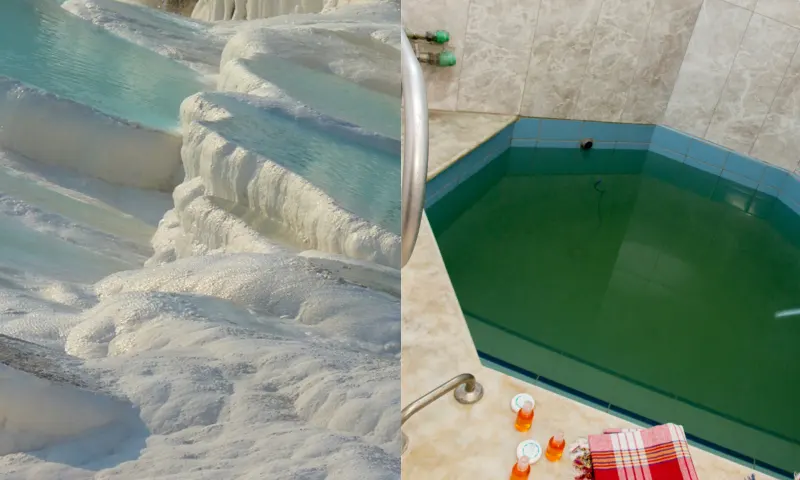
One of the most well-known benefits of thermal springs is their effectiveness in relieving joint and muscle pain. Hot thermal water relaxes muscle tissue, reducing pain. Regular thermal spring treatment can offer significant relief in chronic muscle and joint problems such as rheumatism, herniated disc, osteoarthritis, and fibromyalgia. Additionally, the minerals in thermal water have a restorative effect on the skin. For skin conditions like eczema, psoriasis, and acne, thermal spring water reduces irritation and helps strengthen the skin barrier. With its natural exfoliating effect, the skin appears brighter and fresher. Therefore, thermal springs are an ideal method not only for those experiencing pain but also for those seeking natural beauty and care. When applied regularly, a rejuvenating effect can be observed on the skin.
Things to Consider and Recommendations for Using Thermal Springs
Although the benefits of thermal springs are numerous, proper use is of great importance. It is recommended to warm up and rest briefly before entering the thermal spring to avoid shocking the body. The recommended time to stay in the water is generally 10–20 minutes; longer periods can burden the circulatory system. It is crucial for individuals with heart conditions, high blood pressure, or chronic illnesses to consult their doctor before using thermal springs. Drinking plenty of water after using thermal springs helps replenish the minerals lost through sweating. Furthermore, to make thermal spring treatment more effective, it should be supported with appropriate nutrition and rest routines. When applied correctly, thermal springs are a natural and powerful source of healing that provides both physical and mental rejuvenation.