
Where are Solar Panels Used?
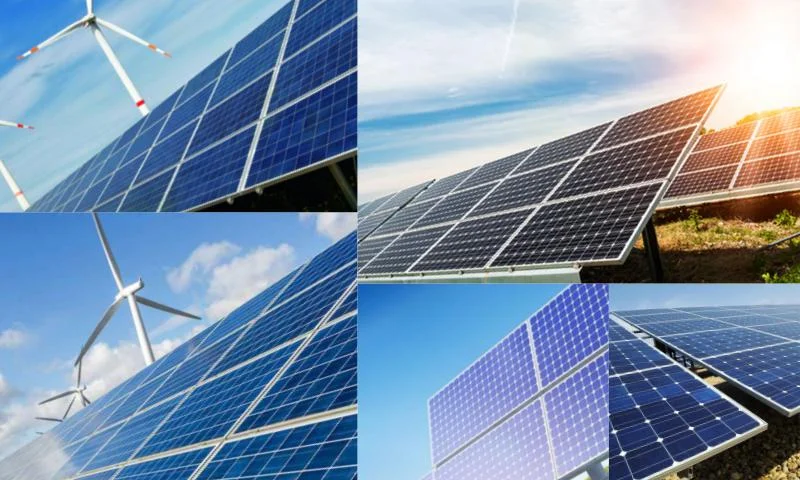
Panels, which enable energy to be obtained from the sun, one of the sustainable energy sources, mediate the conversion of the heat and light they receive from the sun into energy. Panels used in all homes and workplaces can also be used in areas that require energy, such as agricultural lands. The cells on the panels, which convert solar energy into electrical energy, are easy to use, low-cost, and environmentally friendly, drawing in sunlight to create direct current. Then, the direct current is converted into electrical energy. Depending on the changes in solar panels, devices in different areas can operate with the electrical energy generated from this current. Panels that enable many electrical devices, from lighting to refrigerators, to operate have a highly functional place. The installation of household solar panels can be done in areas such as balconies, terraces, or roofs of buildings. The reason for the inclined installation of the panels is to prevent accumulations such as rainwater from forming on them.
Panels are Installed on a Flat Area
Panels, which allow solar light to be converted into electrical energy, can be easily placed in any desired area. These systems, which help reduce electricity bills, function perfectly even in the narrowest spaces. These environmentally conscious systems do not emit gas or smoke into the atmosphere. These systems, which help reduce the carbon footprint, can be used for many years without requiring maintenance. Those who want to install solar panels on their buildings can get support from competent firms on internet pages. The only thing required for solar panels is a flat surface. Both a single panel and thousands of panels are installed on flat surfaces. Panels, which can be used in all areas where there is an electricity need, are also a necessary tool for agricultural production. These systems, which allow agricultural irrigation using pool water, water channels, or well water, are preferred due to their eco-friendliness, unlike fossil fuels.