
What is a Neutralization Tank Used For?
What Processes Take Place Inside a Neutralization Tank?
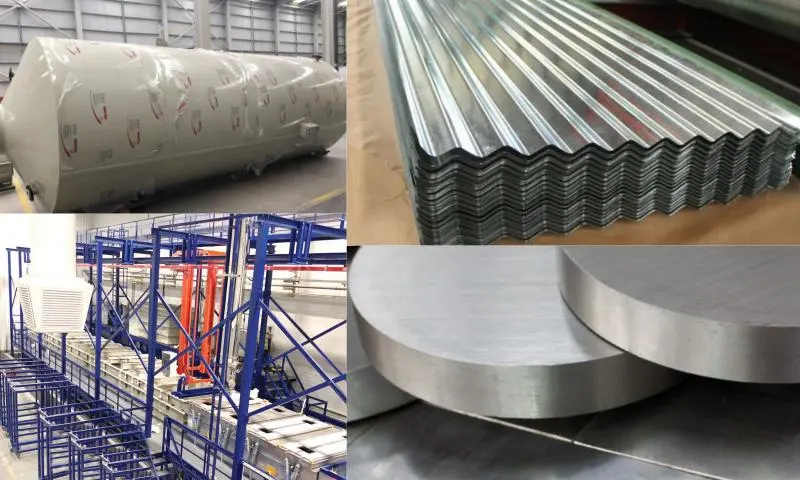
The neutralization tank is a vital piece of equipment used, especially in industrial facilities, to dispose of acidic or basic wastewater without harming the environment. These tanks are designed to ensure pH balance and aim to neutralize liquids with acidic or basic characteristics. Wastewater from factories is often not compliant with environmental standards. The direct release of such water into nature can cause serious ecological problems. This is where the neutralization tank comes into play. For detailed information about neutralization tanks, you can examine the web address https://yongrad.com/tr/magaza/endustriyel-urunler/kimyasal-proses-ekipmanlari/notralizasyon-tanklari/.
In Which Sectors is a Neutralization Tank Used?
The working principle of a neutralization tank is fundamentally based on stabilizing the pH value within the desired range. pH sensors, mixing systems, and chemical dosing pumps are integrated into the tank. When the pH value goes outside a certain threshold, the system automatically activates and adds the necessary chemicals (e.g., acid or base) to achieve balance. This process can also be carried out manually, but thanks to the automation system, the margin of error is reduced, and the need for continuous monitoring is eliminated. Some tanks also include sedimentation chambers, which separate particles in the wastewater, making the treatment process more efficient. When we talk about neutralization tanks, we shouldn't just think of the chemical or pharmaceutical industries. These systems are actively used in a wide variety of sectors, from textiles to food, automotive to energy production. Their use is almost mandatory in areas where acidic or basic wastewater generation is intensive, such as metal plating, battery production, and the paint industry. These systems are also preferred in small-scale but high-precision facilities like universities, laboratories, and research centers. In short, wherever wastewater needs to be treated before being released into the environment, such a treatment system plays a critical role.