
In which products is CMC used in food?
What are the properties of CMC in food?
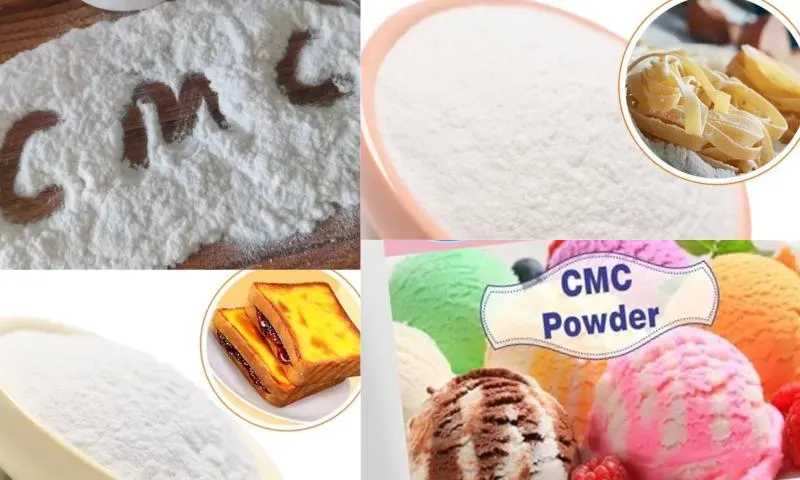
CMC in food is used in many products. It is particularly found in products such as ice cream, yogurt, milk powder, bread, sauces, and jelly. In ice cream, it improves the texture of the cream, while in yogurt and dairy products, it acts as a thickener. In bread making, it helps products stay fresh longer by increasing the dough's moisture-holding capacity. In sauces and jellies, CMC contributes to achieving the desired consistency and creating a homogeneous structure. Thanks to these properties, CMC both enhances the quality of foods and improves the consumer experience. For detailed information about CMC in food, you can visit the website https://aciselsan.com.tr/urunlerimiz/gida/.
How does CMC interact in food?
CMC in food has become a widely used additive in the food industry in recent years. CMC is a water-soluble polysaccharide with various physical properties. These properties include viscosity, emulsification, and stabilization. When dissolved in water, CMC gains gelling properties, becoming a thickening agent. This property is particularly important for achieving the desired texture and consistency in food products. CMC in food also stands out as a low-calorie alternative. It is frequently preferred in diet products. It also helps maintain nutritional value and flavor by increasing the fat and water-holding capacity of foods. CMC in food can directly affect the quality of products. CMC interacts with water molecules, increasing the water-holding capacity of foods. This provides a significant advantage, especially in products that can lose moisture, such as nuts. CMC's emulsion stabilization properties ensure the mixing of oil and water-based components while reducing the risk of separation. Since CMC also remains stable in acidic environments, it extends the shelf life of products when used in fruit juices and sauces.