
In Which Months Do Scrap Prices Rise the Most?

Scrap prices tend to move upwards during certain periods of the year. In the spring and summer months, increased construction and production activities drive up the demand for scrap. During these periods, scrap prices show an upward fluctuation. Activity is particularly seen in the market in April, May, and June. Increased demand during these times, when industrial production picks up, is reflected in the prices. In the winter months, as production decreases, scrap prices remain at lower levels. Therefore, for individuals looking to sell their scrap, the spring months can be more advantageous. You can consult the relevant online companies on web pages to get information and ask your questions, and examine them in detail from here.
Do Scrap Prices Differ Between Istanbul and Ankara?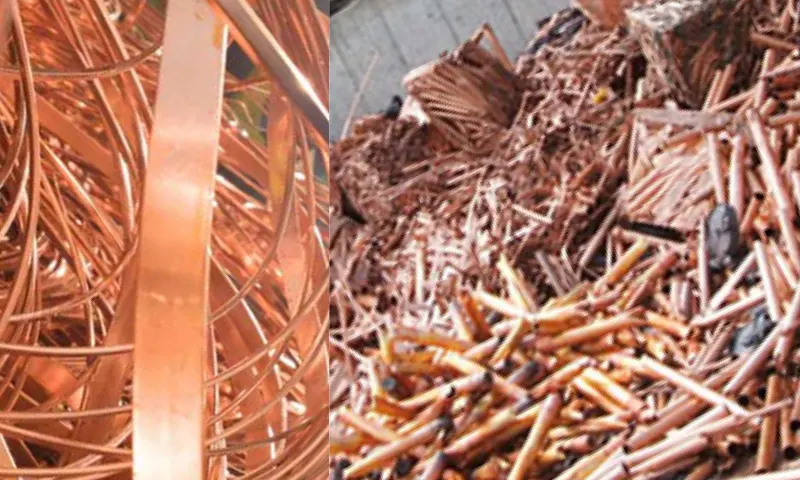
Scrap prices can show certain differences between cities. In large port cities like Istanbul, prices may be slightly higher due to ease of transportation and export. In Ankara, factors such as the density of industrial zones and transportation costs can affect prices. In both cities, local market conditions are taken into account when determining scrap prices. High demand in Istanbul can increase the value of some materials. However, high competition can also lead to price drops.
Which Materials Sell More Profitably with Scrap Prices?
Within scrap prices, some materials yield higher returns than others. In particular, metals like copper, brass, aluminum, and chromium are priced higher. Copper scrap is one of the most valuable scraps in the market as it is widely used in the electrical industry. Stainless steel and aluminum are also advantageous in terms of scrap prices. Scrap types such as plastic, glass, or paper are traded at lower prices. However, they can also be profitable when collected in large quantities. Which scrap is more profitable can vary depending on real-time market prices and the balance of supply and demand.