
Diving: Basic Information and Equipment

Diving is an exciting and adventurous sport used to explore the underwater world. This sport allows divers to examine various underwater environments, observe marine life, and explore shipwrecks. Basic equipment required for diving includes a diving mask, snorkel, fins, wetsuit, diving tank, and regulator. The diving mask allows you to see the underwater world clearly by providing clear vision. While the snorkel makes it easier to breathe on the surface of the water, fins increase your mobility. The wetsuit keeps your body warm and protects you from temperature changes underwater. The diving tank and regulator provide the necessary air supply for breathing. This equipment is essential for a safe and comfortable diving experience. You can look at relevant online companies on web pages to get information on this topic and ask your questions, and review them in detail from here.
Diving Training and Certification Process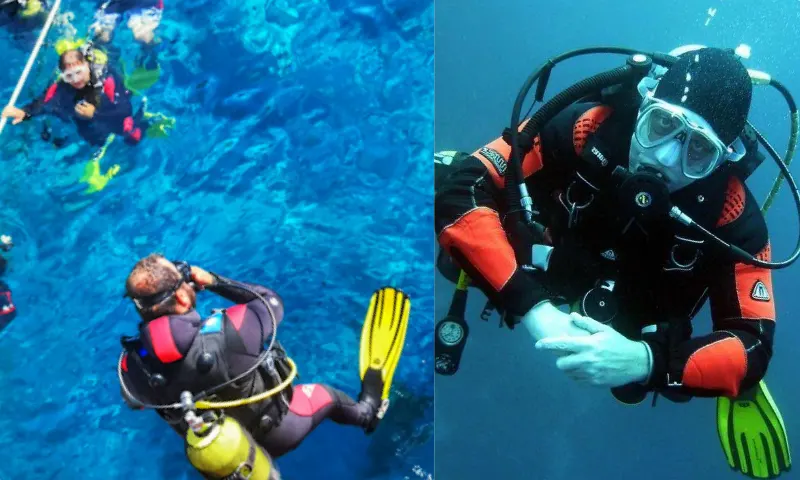
Diving is a sport that requires special training and certification. The training process includes theoretical knowledge and practical diving experiences. Theoretical training covers topics such as diving physiology, equipment usage, dive planning, and safety procedures. Practical training includes dives in a pool and in the open sea. These trainings allow you to learn diving techniques and move comfortably and safely in the underwater environment. At the end of the training process, diving candidates are subjected to an exam and receive certification if they pass. Among the most common diving certification organizations are PADI (Professional Association of Diving Instructors) and NAUI (National Association of Underwater Instructors). These certifications document the diver's competence and authorization to dive. The training and certification process ensures that divers move safely and responsibly underwater.
The Importance of Diving in Terms of Health and Safety
Diving is a sport that requires attention in terms of health and safety. When diving, factors such as water pressure and breathing patterns can have significant effects on the body. It is important for divers to undergo certain health checks before and during a dive. Especially heart, lung, and ear health are critical for diving safety. During a dive, knowing the safety procedures required for potential risks and emergencies encountered underwater is vital. Divers should perform buddy dives using the buddy system before each dive and constantly check each other. Furthermore, when planning a dive, factors such as the adequacy of the air supply, dive depth, and duration should be considered. Safety equipment should be readily available and used for emergencies. Diving with attention to health and safety measures offers both an enjoyable and safe experience.
Diving is a unique way to explore the underwater world and be in touch with nature. With basic equipment and proper training, you can safely engage in this exciting sport. By paying attention to health and safety measures, you can make your diving adventure safe and enjoyable.