
The History of the Hamam: From Tradition to Modern Life

Hamam culture is a tradition with a very old history. In ancient Rome, hamams were important not only for hygiene but also as a social activity. The large hamams built in the Roman Empire were used as places where people gathered, chatted, had fun, and relaxed. These hamams were massive structures, consisting of various rooms, and contained different sections according to the water temperature. The influence of Roman baths continued until the Byzantine Empire, and this culture continued to spread until the Ottoman Empire. This bath culture in Rome became a way of life that combined both hygiene and social interaction. For information on this subject and to ask your questions, you can look at the relevant online companies on the internet pages and examine them in detail.
Ottoman Period Baths: Architecture and Their Place in Social Life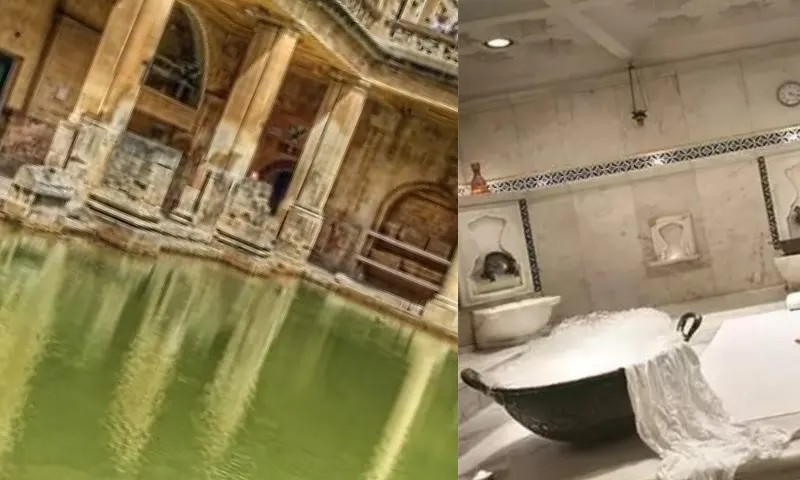
In the Ottoman Empire, the hamam was an inseparable part of social life. Ottoman hamams were used as both a place for hygiene and a social activity. Hamams of this period were generally integrated with mosques, madrasas, and other social structures. The architecture of Ottoman hamams generally featured elegant stone craftsmanship, domed ceilings, and various decorations. Hamams had separate sections for men and women and were traditionally used for relaxation, body care, and purification. Furthermore, hamams became important venues for special social events such as marriage proposals, birthdays, and religious celebrations in Ottoman society. Hamams in the Ottoman Empire not only served the function of cleaning but were also areas for socializing and cultural interaction.
Modern Period Hamam: From Tradition to Future
Today, the hamam still maintains its popularity, especially in tourist areas. However, the use of hamams in the modern world is not as widespread as it used to be. Traditional hamams have gradually transformed into spa centers over time, evolving into modern facilities offering various massage and skin care services. Nevertheless, in countries like Turkey, historical hamams continue to exist as an important cultural heritage for both locals and tourists. Today, the historical and cultural experience offered by hamams is passed on to new generations, preserving the connection with the past. Modern hamams differentiate themselves with innovative services that combine traditional hot water baths, exfoliation, and foam massages with modern health and relaxation therapies. In conclusion, the history of the hamam has evolved from a cleaning habit to a social activity and cultural heritage, integrating into modern life today. Hamams have been important structures that have shaped people's social lives throughout history, beyond just being a means of cleaning. This tradition, aiming for both physical and spiritual purification, has been carried to the present day and has become a cultural value.